How to calculate and improve restaurant inventory turnover

Tracking restaurant inventory turnover gives you a clearer picture of how efficiently your business is managing stock, reducing waste, and controlling costs. But calculating the metric is only the first step. Understanding how to improve it and what influences it is where the real value comes in.
In this guide, we explain how to calculate restaurant inventory turnover, the factors that affect it, and how multi-site restaurants can use agentic AI to optimise stock levels and boost profits.
What is inventory turnover?
Inventory turnover is a metric that tells you how efficiently your restaurant is using and replacing its stock.
Regularly tracking this ratio can help you identify trends and make informed inventory management decisions. For instance, if your ratio is consistently low, it might be time to reassess your ordering practices or rethink your menu to boost sales.
The faster your inventory ‘turns over’, the better. High turnover rate typically indicates you’re selling your products quickly, which can mean you’re using your inventory wisely and potentially bringing in a tidy profit.
How to calculate restaurant stock turnover
Understanding how to calculate restaurant inventory turnover is crucial for managing costs, preventing overstocking, and improving operational efficiency.
The basic inventory turnover formula for a restaurant is:
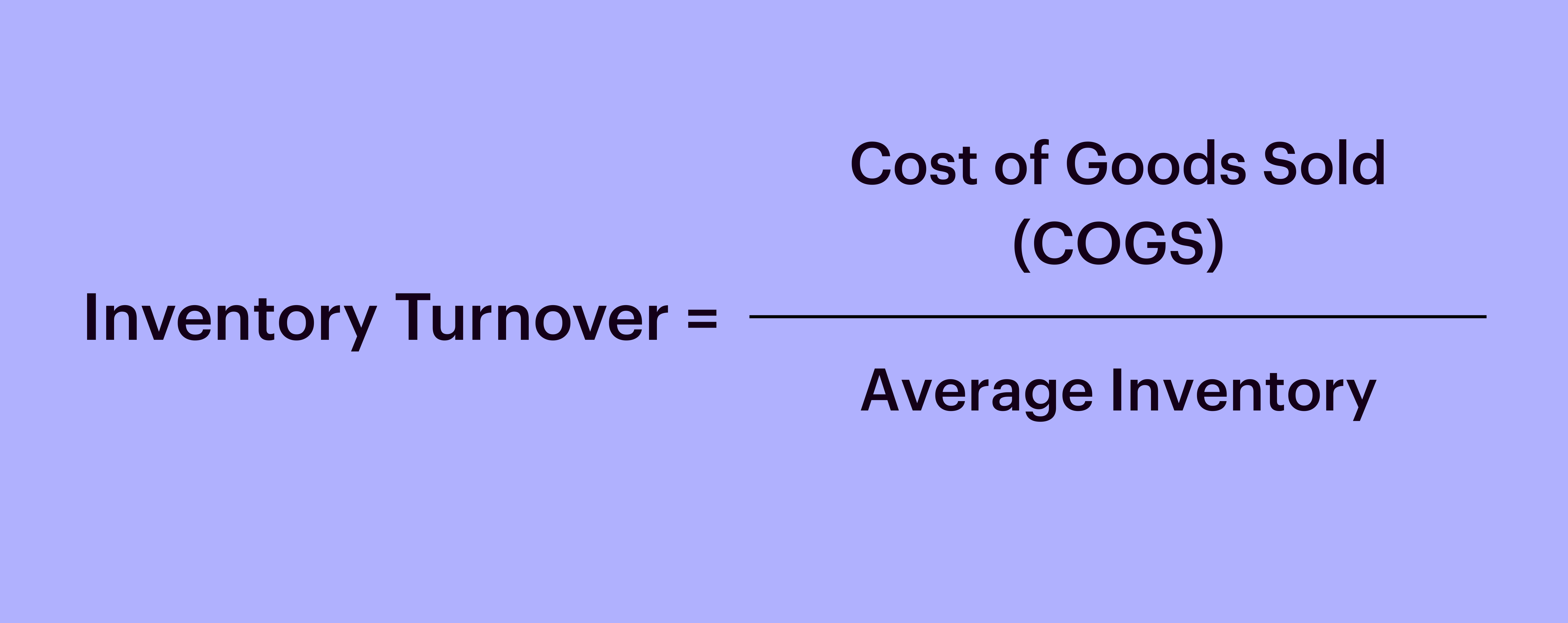
Here’s how to use this calculation in practice:
- Find your COGS for a given period (e.g. a month or quarter).
- Calculate your average inventory by adding your beginning and ending inventory for that period and dividing by two.
- Divide COGS by average inventory.
For example, if your COGS for the month is £20,000 and your average inventory is £4,000, your turnover rate is:
£20,000 ÷ £4,000 = 5
This means your restaurant sold and replenished its inventory five times that month, a healthy rate for many casual dining businesses.
A low turnover rate could suggest over-purchasing or slow-moving items, while a very high rate might mean you’re running too lean and risking stockouts. By calculating turnover regularly, you gain valuable insights into how efficiently you're managing your inventory and where improvements can be made.
Side note: COGS is the total cost of all goods used or sold in your restaurant. This includes everything that goes into the preparation and presentation of your menu items. Read this article to find out how to calculate the COGS for your restaurant.
How do you manage restaurant inventory turnover for multiple sites?
Managing inventory turnover across multiple restaurant locations requires more than just calculating a ratio. Operators need real-time visibility into stock levels, demand patterns, and purchasing decisions to reduce waste and keep every site running efficiently.
For a single, independent restaurant, tracking inventory turnover is relatively straightforward. You can review your COGS, monitor stock levels, and adjust ordering based on what’s happening in that location.
But as you scale across multiple sites, inventory management becomes much more complex. Every location has different sales patterns, customer preferences, storage limitations, suppliers, and seasonal trends.
One site might be over-ordering ingredients that another location is running low on, while managers may rely on manual spreadsheets or past experience to decide what to buy. This makes it harder to maintain the right stock levels across your estate.
Too much inventory ties up cash and increases the risk of waste, while too little stock can lead to shortages, missed sales, and frustrated customers.
How agentic AI helps restaurants optimise inventory turnover
An agentic AI restaurant operating system like Nory gives multi-site operators the visibility and automation they need to make smarter inventory decisions.
Instead of waiting for end-of-week reports or manually reviewing stock data, Nory provides real-time business intelligence and recommendations across every location. The AI assistants analyse sales patterns, demand forecasts, inventory levels, and operational data to help you make better decisions.
For example, Nory’s AI Ordering Assistant can analyse what each location is likely to need and recommend the right quantities to order. This helps restaurants avoid overstocking, reduce food waste, and ensure teams have the ingredients they need to meet demand.
Nory also provides real-time recommendations based on what is happening across your estate. Operators can quickly identify locations with unusual stock patterns, understand where costs are increasing, and take action before small issues become bigger problems.
Find out more about Nory’s AI Ordering Assistant.
What are the key factors that affect food inventory turnover?
Food inventory turnover is influenced by everything from your menu design and ordering process to seasonal demand and customer expectations. Understanding these factors helps you keep stock moving, reduce waste, and make smarter purchasing decisions.
Menu design
Your menu directly impacts how quickly inventory moves. A focused menu with overlapping ingredients can help you sell stock faster, while a large menu with one-off ingredients can lead to more ingredients going to waste.
Every dish you add to your menu comes with its own inventory requirements. If a single menu item needs specialist ingredients that aren’t used anywhere else, you risk tying up cash in stock that may take longer to sell before it expires.
On the other hand, a well-designed menu makes it easier to manage inventory. Using versatile ingredients across multiple dishes helps increase demand for your stock and reduces the chance of waste.
For example, an ingredient used across several popular dishes is likely to move much faster than one only used occasionally.
Ordering process
The way you order inventory plays a major role in keeping turnover healthy. Ordering too much creates waste, while ordering too little can lead to stockouts and lost sales.
Finding the right balance can be challenging, especially across multiple locations where demand can change from site to site. Over-ordering ties up money in unused inventory and increases the risk of spoilage. Under-ordering can leave customers disappointed if their favourite dishes are unavailable.
The most effective operators use sales data, demand patterns, and real-time insights to make more accurate ordering decisions. This helps ensure restaurants have enough stock to meet demand without carrying unnecessary inventory.
Seasonality
Seasonal changes can significantly impact inventory turnover, so restaurants need to adjust their stock levels based on changing customer demand.
Most restaurants experience periods where demand naturally rises or falls. Summer months, holidays, and local events can drive more customers through the door, increasing sales volume and speeding up inventory turnover. A restaurant near a tourist attraction, for example, may need to increase stock levels during peak visitor periods.
However, quieter periods can have the opposite effect. Colder weather, post-holiday slowdowns, or seasonal changes in customer behaviour can reduce sales and leave inventory sitting for longer. Without careful planning, this can increase storage costs and the risk of food waste.
By understanding seasonal patterns, restaurants can prepare ahead. This means increasing orders before predictable busy periods and reducing stock levels during quieter times to avoid unnecessary surplus.
Customer experience
Customers expect their favourite dishes to be available when they visit. If a restaurant regularly runs out of popular menu items, it can lead to frustration, negative reviews, and lost repeat business.
At the same time, poor inventory management can affect food quality. Ingredients that sit too long may impact freshness and consistency, which can damage the overall dining experience.
Maintaining the right inventory levels helps restaurants serve customers reliably, protect food quality, and build loyalty over time.
Understanding the impact of low inventory turnover on your restaurant
Low inventory turnover can put pressure on your finances, increase food waste, and make it harder to deliver a consistent customer experience. Understanding these risks helps you identify problems early and take action before they impact profitability.
A low inventory turnover rate means stock is sitting for longer before it is sold. While having enough inventory to meet customer demand is important, holding onto too much stock can create unnecessary costs and operational challenges.
Here are some of the biggest ways low inventory turnover can affect your restaurant:
Increased costs and cash flow pressure
Slow-moving inventory ties up cash that could be used elsewhere in your business, making it harder to manage costs effectively.
When ingredients sit in storage for too long, your money is effectively locked away in stock that isn’t generating revenue. At the same time, you may need more storage space, spend more on inventory management, and face higher costs from products that eventually go unused.
For multi-site restaurants, this challenge becomes even bigger. Excess stock at one location may sit untouched while another site is ordering more of the same ingredients, creating unnecessary costs across the business.
Food waste and inconsistent quality
Low inventory turnover increases the risk of ingredients losing freshness, which can impact food quality and customer satisfaction.
Fresh ingredients have a limited shelf life. When stock moves slowly, restaurants are more likely to deal with expired products, spoilage, and unnecessary waste. This not only affects profitability but can also impact the quality of dishes being served.
Customers expect consistency every time they visit. If ingredients are no longer at their best, it can affect the taste, presentation, and overall dining experience, potentially leading to negative reviews and fewer repeat visits.
Reduced competitiveness and profitability
Poor inventory turnover can make it harder for restaurants to stay profitable and compete in a crowded market.
When restaurants have excess stock, they may be forced to discount items or run promotions to clear inventory before it goes to waste. While this can help recover some costs, it can also reduce profit margins and impact the perceived value of the brand.
Restaurants that manage inventory effectively have more flexibility. They can respond faster to customer demand, reduce unnecessary spending, and invest resources where they create the biggest impact.
Expert tips and strategies for optimising inventory turnover
There are several proven strategies for optimising this key ratio in your restaurant:
- Use inventory management software to monitor your inventory levels, streamline ordering, and avoid overstocking.
- Implement the FIFO (first in, first out) inventory management technique, which ensures that the oldest items are sold first, avoiding the problem of inventory spoilage.
- Regularly review your menu and make sure it’s optimised for your target market, cost-effective, and profitable.
- Carry out market research to gauge customer demand and adjust your inventory levels accordingly.
- Develop good supplier relationships to ensure you always have access to high-quality ingredients at competitive prices.
- Rotate your menu to keep it fresh and exciting for your customers. This can encourage them to visit often, leading to more sales and higher inventory turnover.
For more ways to improve operations in our kitchen inspection guide.
FAQs about restaurant inventory turnover
What is a good inventory turnover rate?
The ideal inventory turnover ratio for a restaurant varies depending on your location, footfall, outgoing costs, and type of restaurant. Here's a general guide by restaurant type:
How do you manage restaurant inventory?
Here’s an overview of how to manage restaurant inventory:
- Understand what your inventory consists of, including food, beverages, utensils, crockery, and cleaning supplies
- Track your inventory accurately with inventory management software
- Strike a balance between having enough stock to meet demand and avoiding excess inventory
Why is a high inventory turnover rate important for a restaurant?
A high inventory turnover rate means that a restaurant is selling its products efficiently. This can lead to increased profitability and less wastage of food.
How can I improve my restaurant’s inventory turnover rate?
Improving the ordering process, using inventory management software, and strategic menu planning can help improve a restaurant’s inventory turnover rate.
How does the reliability of suppliers affect inventory turnover?
If suppliers can’t deliver on time or provide the correct quantities, it can cause delays and discrepancies in inventory, affecting the turnover rate.
Can seasonal changes impact inventory turnover?
Yes, seasonal changes can influence customer demand for certain dishes, which can impact inventory turnover.
What is the role of technology in managing restaurant inventory?
Technology, like inventory management software, can track inventory in real-time, alert when stock is low, and forecast future demand. It can greatly improve inventory management in restaurants.
Improve restaurant inventory turnover with smarter decisions
Restaurant inventory turnover is a key indicator of how efficiently you’re managing stock, controlling costs, and reducing waste. But for multi-site restaurants, maintaining the right stock levels becomes more challenging. Different locations have different demand patterns, making it harder to know what each site needs and when.
Nory simplifies this process. With our agentic AI restaurant operating system, you can monitor inventory across every location in real time at a single glance.
Our system also analyses sales data, demand forecasts, and stock levels to make suggestions about what to order. This means you avoid overstocking, reduce food waste, and make sure your popular items are available.
Book a call with Nory today to see how we can help you make smarter inventory decisions.